Understanding Induction Heating Technology
Induction heating is revolutionizing various industries by providing efficient and precise heating solutions. As the demand for energy efficiency and sustainability elevates, more manufacturers are turning to induction heaters. These devices utilize electromagnetic fields to generate heat directly within the material, resulting in immediate temperature increases without the combustion byproducts associated with traditional heating methods. When exploring options, induction heater technology emerges as a leader in modern manufacturing processes, offering unmatched efficiency and control.
What is an Induction Heater?
An induction heater is a device that uses induction heating to cook, heat, or melt materials, primarily metals. This technology harnesses the principles of electromagnetism to create heat within conductive materials without direct contact, enabling faster and cleaner heating processes. These heaters come in various designs, catering to different industrial needs, from small handheld units to large-scale industrial machines.
Principles of Induction Heating
The principle behind induction heating revolves around Faraday’s Law of Electromagnetic Induction. In essence, when an alternating current is passed through a coil, it generates a magnetic field. When a conductive material—such as metal—is placed within this field, electrical currents (known as eddy currents) are induced in the material itself, generating heat due to its electrical resistance. The frequency and power of induction heating can be adjusted through sophisticated controls, allowing precise temperature management.
Benefits of Using Induction Heaters in Industry
- Energy Efficiency: Induction heaters achieve high energy conversion efficiency, often exceeding 90%, which translates to reduced energy costs and lower carbon footprints.
- Speed: The rapid heating capabilities of induction systems significantly shorten production cycles, enhancing overall productivity.
- Precision: With digital PID controls, induction heaters can maintain temperature accuracy within ±1°C, providing reliable results in various applications.
- Clean Operation: As they do not produce combustion byproducts, induction heaters contribute to cleaner working environments.
- Safety: The absence of open flames reduces fire hazards, making induction heating a safer alternative in industrial settings.
Key Features of Kexin Induction Heaters
Unmatched Precision with PID Control
Kexin induction heaters are equipped with advanced digital PID controllers that ensure precision in temperature management. This level of control allows manufacturers to minimize the variability in production processes, which is crucial for meeting stringent quality standards. Whether you are performing intricate brazing tasks or large-scale forging, the PID control continuously adjusts power to maintain optimal heating conditions.
Energy Efficiency and Cost-Effectiveness
One of the standout features of Kexin solutions is their industry-leading energy efficiency. With up to 95% energy conversion efficiency, these induction heaters reduce electricity costs and minimize environmental impact. The intelligent power management systems further optimize energy usage by adjusting the output based on real-time load requirements, ensuring that energy is not wasted.
Safety Features and Clean Operations
Safety is prioritized in every Kexin induction heater. The systems come with multiple layers of protection, including over-temperature protection, over-current protection, and coil fault detection. These features safeguard both the equipment and the operators, allowing for 24/7 operation in various industrial environments. Furthermore, the non-contact heating method eliminates the risks associated with open flames and helps maintain a clean workspace.
Applications of Induction Heating Solutions
Induction Heating in Welding and Brazing
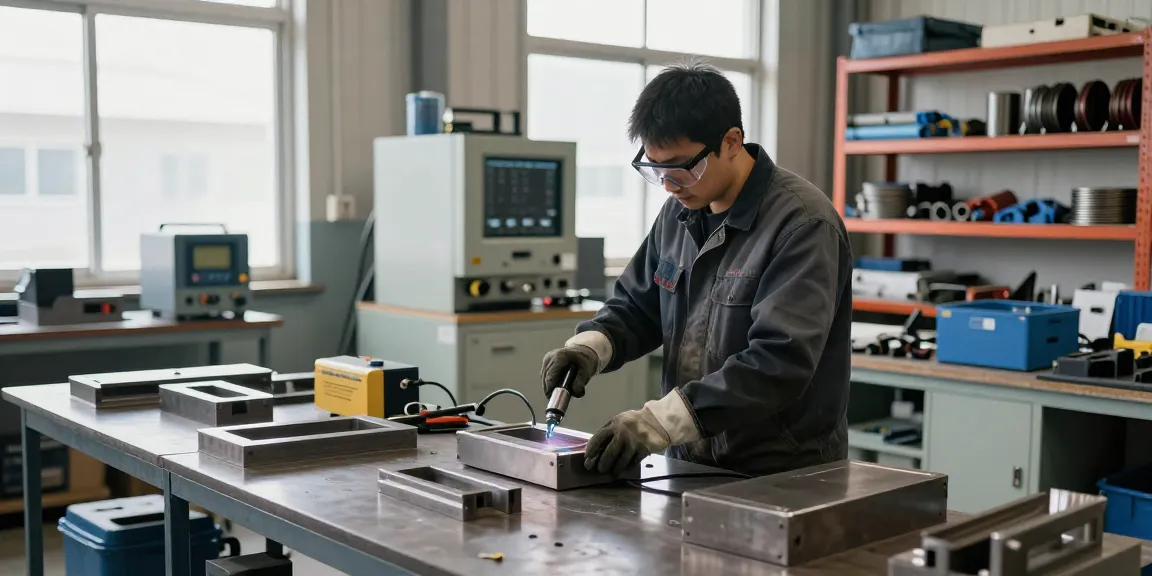
Induction heating plays a crucial role in welding and brazing applications by providing precise and controllable heat to joints, ensuring strong bonds while reducing distortion. Kexin’s induction welders and brazing machines are designed for high performance, catering to both small-scale operations and robust industrial applications. Their customizable coil designs further enhance flexibility, making them suitable for diverse applications.
Melting Processes and Material Hardening
Kexin induction melting furnaces are engineered to handle a wide range of materials, from precious metals to industrial alloys. The rapid heating capabilities ensure that melting processes are performed efficiently, while precise temperature control allows for accurate material hardening and treatment. This adaptability has made induction melting solutions essential in sectors such as metal fabrication and recycling.
Custom Solutions for Diverse Industries
Every industry has unique heating requirements, and Kexin understands this diversity. By offering customizable heating solutions that include tailored coil designs and modular power racks, Kexin caters to specific application needs—ranging from lab-scale research and development to heavy-duty production lines. This flexibility enables clients to optimize their processes for maximum efficiency.
Case Studies: Success Stories with Kexin Induction Heaters
High-Volume Manufacturing: Efficiency Gains
In a recent case study involving a high-volume automotive parts manufacturer, the integration of Kexin induction heaters resulted in a 30% reduction in cycle times and a 20% decrease in energy consumption. By replacing conventional heating methods with advanced induction technology, the facility not only enhanced productivity but also improved product quality through precise temperature management.
Small Business Applications: Custom Coils
A small jewelry manufacturer successfully utilized Kexin’s handheld brazing equipment to scale up their production process. Custom coils were designed to fit the unique shapes of their products, enabling intricate designs without compromising on quality. As a result, the business expanded its product lines and increased its customer base, demonstrating the versatility of induction heating solutions for smaller operations.
Environmental Impact and Sustainability
With increasing regulatory pressures surrounding environmental impact, Kexin’s induction heaters provide a sustainable solution for metal processing industries. By significantly reducing energy consumption and minimizing waste, companies that employ Kexin technology can not only comply with stricter environmental regulations but also promote their commitment to sustainability in their operations.
Future Trends in Induction Heating Technology
Innovations to Expect by 2026
The future of induction heating technology looks promising, with continuous advancements aimed at enhancing usability and effectiveness. Innovations in digital controls, internet of things (IoT) integration, and automation technologies will lead to smarter systems capable of predictive maintenance and real-time monitoring, further increasing operational efficiency.
Emerging Markets and Industry Growth
As sectors like renewable energy, electric vehicles, and advanced manufacturing continue to grow, the demand for efficient heating solutions will rise. Induction heating technology, with its focus on sustainability and efficiency, positions itself as a critical player in these emerging markets, ensuring that businesses can adapt to changing industry needs.
Adapting to New Manufacturing Challenges
The manufacturing landscape is evolving, with challenges such as labor shortages and rising material costs. Induction heating technology offers solutions, allowing for automation and precision that reduce reliance on manual labor while optimizing material usage. Companies leveraging these innovations are likely to maintain a competitive edge in an increasingly complex marketplace.
What makes induction heaters energy efficient?
Induction heaters convert a higher percentage of electrical energy into usable heat compared to traditional methods. Their ability to target heat only where needed reduces waste, while advanced technology ensures precise control over the heating process.
Are induction heaters suitable for small-scale applications?
Definitely! Induction heaters are versatile and come in various sizes, making them suitable for both large-scale industrial applications and small-scale operations like automotive shops or home workshops.
What safety features should be considered in induction heating equipment?
Key safety features to consider include over-temperature and over-current protection, coil fault detection, and safety interlocks to prevent operation during unsafe conditions. These features are essential for ensuring operator safety and equipment longevity.
How can induction heating reduce environmental impact?
By being highly energy efficient, induction heating minimizes electricity consumption, which directly contributes to lower greenhouse gas emissions. Moreover, its clean operation eliminates harmful combustion byproducts, improving overall air quality.
What industries benefit the most from induction heating solutions?
Industries such as automotive, aerospace, metalworking, medical equipment manufacturing, and electronics benefit significantly from induction heating solutions due to their need for precision, efficiency, and safety in heat treatment processes.. Additionally, induction welder provides further details.