Understanding CNC Glass Cutting Machines
CNC glass cutting machines have revolutionized the glass processing industry, offering innovative solutions that enhance precision, efficiency, and cost-effectiveness. Utilizing cutting-edge computer numerical control technology, these machines automate the process of cutting glass into various shapes and sizes, catering to a wide range of applications—from architectural glass to intricate designs used in art and decoration. When exploring options, cnc glass cutting machine provides comprehensive insights for manufacturers looking to optimize their production lines.
What is a CNC Glass Cutting Machine?
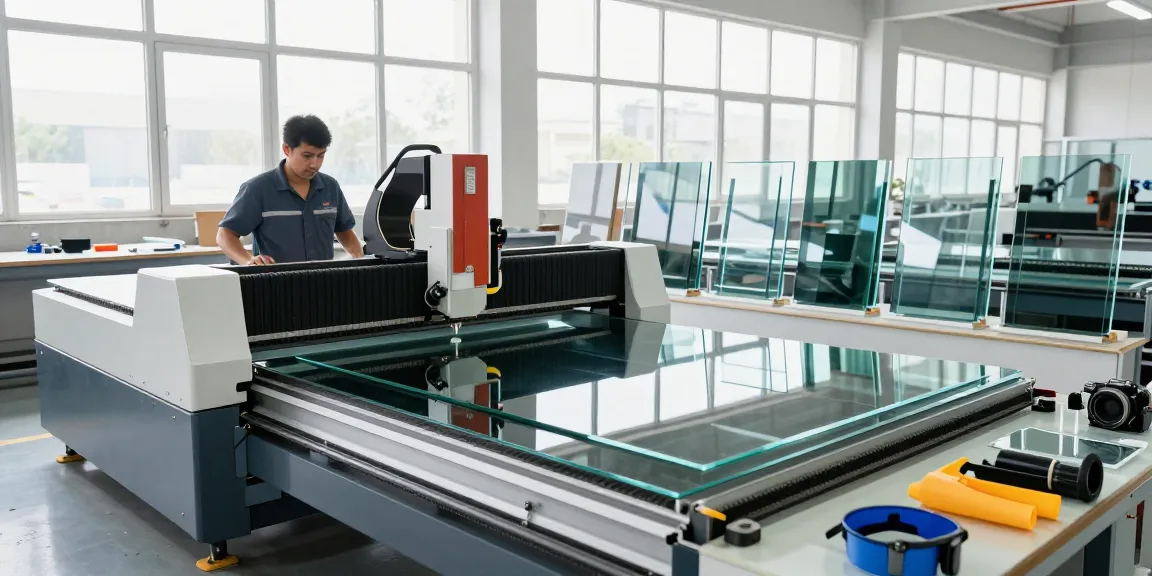
A CNC glass cutting machine is a specialized device that utilizes computer software to control the movements of cutting tools with high precision. Unlike traditional glass cutting methods that rely heavily on manual labor, CNC machines streamline the glass cutting process, enabling manufacturers to produce complex shapes and designs with relative ease. These machines can handle various materials, including float glass, tempered glass, and laminated glass, making them versatile tools in the glass industry.
How CNC Machines Transform Glass Processing
The integration of CNC technology in glass processing has transformed how manufacturers operate. Traditional methods often involve manual scoring and breaking, which can lead to inconsistencies in quality and increased waste. CNC glass cutting machines eliminate these challenges by ensuring uniformity and accuracy. The software allows operators to input precise measurements and designs, resulting in a finished product that meets exact specifications.
Key Components of CNC Glass Cutting Technology
Understanding the components of CNC glass cutting technology is crucial for maximizing its effectiveness. Key elements include:
- Computer Control System: Acts as the brain of the machine, processing designs and controlling the cutting action.
- Cutting Tool: Usually diamond-tipped or laser-based, designed to cut through glass with minimal friction.
- Framework and Support System: Provides structural integrity and stability for the glass during cutting operations.
- Software Interface: Allows for the easy design and input of cutting parameters, often featuring user-friendly dashboards.
Advantages of Using CNC Glass Cutting Machines
Utilizing CNC glass cutting machines presents manufacturers with numerous advantages, further propelling the efficiency and quality of glass processing.
Enhanced Precision and Accuracy in Glass Cutting
One of the primary benefits of CNC glass cutting machines is their ability to deliver enhanced precision. The automated process minimizes human error, resulting in clean, sharp edges and consistent quality across large batches. This level of accuracy is particularly beneficial for intricate designs, where even slight deviations can lead to unusable products.
Increased Production Efficiency and Speed
CNC glass cutting machines significantly increase production speed by automating the cutting process. Operators can queue multiple designs, allowing machines to run continuously and maximize output. This efficiency is a game-changer for businesses aiming to meet high demand without sacrificing quality.
Cost-Effectiveness Compared to Traditional Methods
Investing in CNC glass cutting technology can lead to substantial cost savings. Though the initial investment may be higher compared to traditional cutting tools, the reduction in labor costs, waste, and time results in a lower overall operational cost. Manufacturers can achieve a higher return on investment by reducing material waste and increasing throughput.
Challenges in Implementing CNC Glass Cutting Solutions
Despite the many advantages, transitioning to CNC glass cutting technology can present challenges that must be addressed for successful implementation.
Overcoming Initial Setup and Training Requirements
The setup of CNC machines often requires specific expertise and can demand significant time investment. Manufacturers may need to provide extensive training to operators to ensure they are comfortable with the new technology. This transition phase can be challenging but is critical for reaping the long-term benefits of CNC machines.
Addressing Maintenance and Repair Challenges
Regular maintenance is essential for keeping CNC glass cutting machines functioning optimally. Manufacturers need to establish routine checks and repairs, which can necessitate additional investments in maintenance personnel or contracts with service providers. Failure to maintain the equipment can lead to costly downtimes and diminished productivity.
Navigating Software and Hardware Compatibility Issues
As technology advances, ensuring that the CNC machines are compatible with existing software systems can pose challenges. Manufacturers may face difficulties integrating new machines into their production lines due to varying software platforms. It is critical to choose CNC glass cutting machines that can easily adapt to current systems or consider upgrades that facilitate seamless integration.
Best Practices for Using CNC Glass Cutting Machines
To ensure the longevity and efficiency of CNC glass cutting machines, manufacturers should adhere to best practices that promote safe and effective operations.
Safety Protocols for Operators and Technicians
Safety is paramount when operating CNC glass cutting machines. Operators should be trained in safety protocols, including wearing appropriate protective gear, understanding emergency shut-off procedures, and properly handling glass materials. Creating a safety-first culture helps prevent accidents and ensures a secure working environment.
Optimal Settings for Different Types of Glass
Different glass types require specific settings for optimal cutting results. Operators should familiarize themselves with the unique characteristics of various glass materials, including thickness and hardness, and adjust the machine’s settings accordingly. Tailoring the settings enhances cutting efficiency and reduces the risk of breakage.
Regular Maintenance for Longevity and Performance
Establishing a maintenance schedule is vital for prolonging the life of CNC glass cutting machines. Regular cleaning, calibration, and inspections help identify potential issues before they escalate. Investing in preventive maintenance is more cost-effective than dealing with major repairs or replacements down the line.
Future Trends in CNC Glass Cutting Technology
The landscape of CNC glass cutting technology is continually evolving, with advancements that promise to redefine glass manufacturing.
Automation and AI Integration in Glass Manufacturing
As artificial intelligence becomes more sophisticated, its integration into CNC machines is expected to rise. AI can optimize cutting paths and reduce waste, further enhancing efficiency. Additionally, predictive maintenance powered by AI can foresee potential equipment failures, allowing manufacturers to schedule repairs proactively.
Innovations in Materials Used for CNC Machines
The materials used in the construction of CNC machines are also advancing, with innovations focusing on durability and weight reduction. Lightweight yet strong materials can contribute to more portable and energy-efficient machines, making CNC technology more accessible for small businesses.
Predicted Market Growth and Technological Advancements for 2026
Market predictions indicate a continued demand for CNC glass cutting machines, driven by the increasing application of glass in various industries, including automotive, architecture, and electronics. By 2026, technological advancements in precision cutting, automation, and software capabilities are expected to dominate market trends, positioning CNC machines as essential tools in modern manufacturing.
What are the common uses of CNC glass cutting machines?
CNC glass cutting machines are commonly used in architectural glass installations, custom furniture, decorative designs, and automotive applications. Their ability to create precise cuts makes them valuable tools for both large-scale manufacturers and small artisan businesses.
How does CNC glass cutting machine precision compare to manual cutting?
The precision of CNC glass cutting machines far surpasses that of manual cutting methods. While manual cutting relies on human skill and can be prone to errors, CNC machines operate under computer control, ensuring uniformity and accuracy in every cut.
What maintenance is required for CNC glass cutting machines?
Maintenance for CNC glass cutting machines includes regular cleaning, lubrication of moving parts, software updates, and routine inspections to identify wear and tear. Establishing a proactive maintenance plan helps to prevent malfunctions and extend the machine’s lifespan.
Are CNC glass cutting machines cost-effective for small businesses?
While the initial investment in CNC glass cutting technology may be substantial, the long-term benefits, including increased efficiency, reduced waste, and higher production quality, often make them cost-effective for small businesses. Additionally, as technology advances, the costs of CNC machines are expected to decrease, making them more accessible.
What advancements can we expect in CNC glass cutting technology?
Future advancements in CNC glass cutting technology may include enhanced software capabilities, more efficient cutting tools, and improved automation features that allow for greater customization. These innovations will likely expand the applications of CNC glass cutting machines across various sectors.