
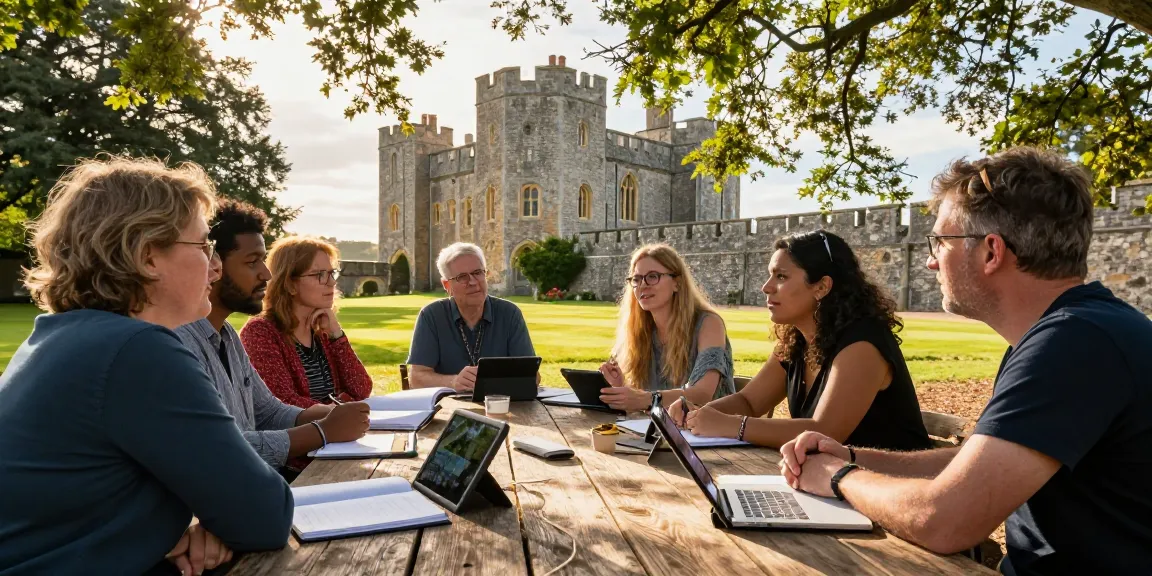
Understanding the Legacy of Tynte’s Castle
Tynte’s Castle represents more than just a historical landmark; it embodies a rich narrative that connects past and present. As a part of the NAGA2000 platform, Tynte’s Castle offers a unique insight into historical blogging, presenting content that resonates with both history enthusiasts and casual readers alike. In a digital age saturated with transient information, Tynte’s Castle stands out by providing meticulously curated historical narratives that captivate and educate its audience. For those wishing to explore the extensive resources available, https://tyntescastle.com serves as a valuable portal.
What Makes Tynte’s Castle Unique?
At the heart of Tynte’s Castle’s success is its commitment to authenticity and depth of content. Unlike many digital platforms that tend to prioritize quantity over quality, Tynte’s Castle ensures that each piece of content is steeped in historical accuracy and relevance. This unwavering dedication is reflected in the way narratives unfold, providing readers not just with facts but stories that breathe life into history. The blend of engaging storytelling with factual data creates an experience that appeals to a broad spectrum of readers, including students, educators, and history lovers.
Furthermore, Tynte’s Castle distinguishes itself through its focus on lesser-known historical events and figures. This dedication to uncovering hidden gems of history allows it to serve as a crucial resource for those looking to broaden their understanding of the past beyond mainstream historical accounts.
The Historical Significance of Tynte’s Castle
Tynte’s Castle is more than a mere relic; it holds significant historical value that plays a critical role in understanding local and regional history. Built during a time of political and social transformation, the castle has been a silent witness to numerous events that have shaped the surrounding community. Its architecture, along with the stories etched into its walls, reveal insights into the lives of people who once inhabited the area.
This historical significance is brought to life through various articles, detailed analyses, and rich illustrations available on the NAGA2000 platform. By documenting events related to Tynte’s Castle, the blog helps ensure that these historical narratives are not lost but instead shared with future generations. The access to such well-researched content helps readers gain a comprehensive understanding of the context within which these historical events took place.
How Tynte’s Castle Influences Modern Culture
The influence of Tynte’s Castle extends beyond history enthusiasts and academics; it permeates modern culture in various forms. The stories and lessons derived from the castle’s history continue to inspire contemporary artists, writers, and filmmakers looking to draw upon historical themes in their work. Additionally, the castle serves as a focal point for community events and educational programs designed to foster a greater appreciation for local history.
Moreover, Tynte’s Castle encourages dialogue about preservation and heritage, highlighting the importance of maintaining historical sites for cultural continuity. Through its presence on platforms like NAGA2000, the blog enables a reflection on how history informs our understanding of identity and belonging in today’s society.
Exploring Historical Content on https://tyntescastle.com
The Tynte’s Castle platform is designed for ease of navigation, allowing users to delve into a vast array of historical content. From comprehensive articles detailing the architecture of the castle to personal accounts of historical events, the website caters to various interests and knowledge levels.
Top Categories of Historical Content Available
Within Tynte’s Castle, users can find a plethora of categories that cover diverse aspects of history, including:
- Architectural History: In-depth looks at the designs and structures of historical buildings.
- Local Legends: Tales and folklore that have emerged from the region.
- Biographies: Detailed accounts of notable figures associated with Tynte’s Castle.
- Cultural Events: Documentation of events that have shaped the local culture.
- Historical Analysis: Scholarly articles that provide critical insights into historical timelines.
How to Navigate the Platform Effectively?
To maximize the experience on Tynte’s Castle, users are encouraged to utilize the search functionality and filters available on the platform. Here are some tips for effective navigation:
- Use Keywords: Search for specific topics using relevant keywords to find tailored content quickly.
- Explore Categories: Browse through specific categories to discover related articles and resources.
- Follow Tags: Tags associated with articles provide a way to uncover interconnected themes and subjects.
- Bookmarking: Use the bookmarking feature to save articles for later reference, allowing for easy return to essential content.
User Testimonials and Their Impact
User testimonials play a vital role in highlighting the impact of Tynte’s Castle on its readers. Many users express their appreciation for the engaging presentation of historical narratives that often lead to a deeper interest in history. Here are a few notable testimonials:
- “I never thought I would enjoy learning about history, but Tynte’s Castle made it so engaging!”
- “The depth of information and the storytelling approach really brought these historical figures to life for me.”
- “I find myself returning to Tynte’s Castle frequently; it has now become my go-to resource for historical research.”
Engaging with the Community through NAGA2000
The NAGA2000 platform is more than just a repository of historical content; it is an interactive community that fosters engagement and dialogue. Readers are encouraged not only to absorb information but also to contribute their insights and experiences.
How NAGA2000 Supports Historical Discourse?
NAGA2000 actively promotes discussions around historical topics by hosting forums and discussion boards where users can share their perspectives. This feature allows the community to come together, debate historical interpretations, and exchange valuable resources, fostering a sense of collective learning.
The Role of User-generated Content
User-generated content is a crucial aspect of NAGA2000, providing a platform for individuals to share their own research, articles, and personal stories related to historical topics. This mechanism not only enriches the available content but also empowers users to take part in historical discourse actively.
Networking Opportunities within the Platform
NAGA2000 offers valuable networking opportunities for historians, researchers, and enthusiasts. Users can connect with like-minded individuals, collaborate on projects, and share findings that may lead to new insights into the historical narratives being explored.
Best Practices for Historical Research
Conducting historical research requires a structured approach to ensure reliability and accuracy. Here are some best practices for anyone looking to delve into historical topics:
Effective Methods for Documenting History
Documentation is essential in historical research. Keep in mind these methods to ensure thorough documentation:
- Maintain Detailed Notes: Document every source and note how it contributes to your understanding of the topic.
- Use a Variety of Sources: Incorporate books, articles, interviews, and primary documents to provide a well-rounded perspective.
- Organize Research Materials: Create a systematic filing system for easy access to materials as you conduct your research.
Identifying Credible Sources in Historical Research
Not all sources hold equal weight; therefore, it’s crucial to identify credible sources. Consider the following:
- Check Authorship: Investigate the author’s credentials to assess their expertise.
- Evaluate Publication Quality: Use academic journals, established publishers, and respected websites to ensure the materials you are referencing are credible.
- Cross-reference Information: Validate information by comparing it against other reputable sources.
Utilizing Digital Tools for Research Efficiency
In today’s digital age, leveraging technology can significantly enhance research efficiency. Here are some recommended tools:
- Online Databases: Utilize databases like JSTOR or Google Scholar for access to scholarly articles.
- Note-taking Apps: Use apps such as Evernote or OneNote to organize notes and ideas seamlessly.
- Project Management Software: Employ tools like Trello or Asana to track research progress and manage tasks effectively.
Future Trends in Historical Blogging for 2026
The landscape of historical blogging is expected to evolve significantly by 2026, driven by advancements in technology and changing reader behaviors. Here are some anticipated trends:
Emerging Technologies Enhancing Historical Engagement
The integration of emerging technologies such as virtual reality (VR) and augmented reality (AR) is set to revolutionize how historical content is consumed. These technologies will allow readers to immerse themselves in historical environments and experience events as though they were there, enhancing emotional engagement and understanding.
How Historical Blogging is Evolving?
Historical blogging is transitioning from static articles to dynamic, multi-media narratives that incorporate videos, podcasts, and interactive elements. This evolution caters to diverse learning styles and preferences, making history accessible to a broader audience.
Predictions for Reader Engagement and Content Formats
As user expectations continue to shift, historical blogs must adapt by focusing on personalized content curation. Readers will likely expect tailored recommendations based on their interests and reading habits. Additionally, we may witness an increase in audience participation through polls and feedback mechanisms that shape content direction.