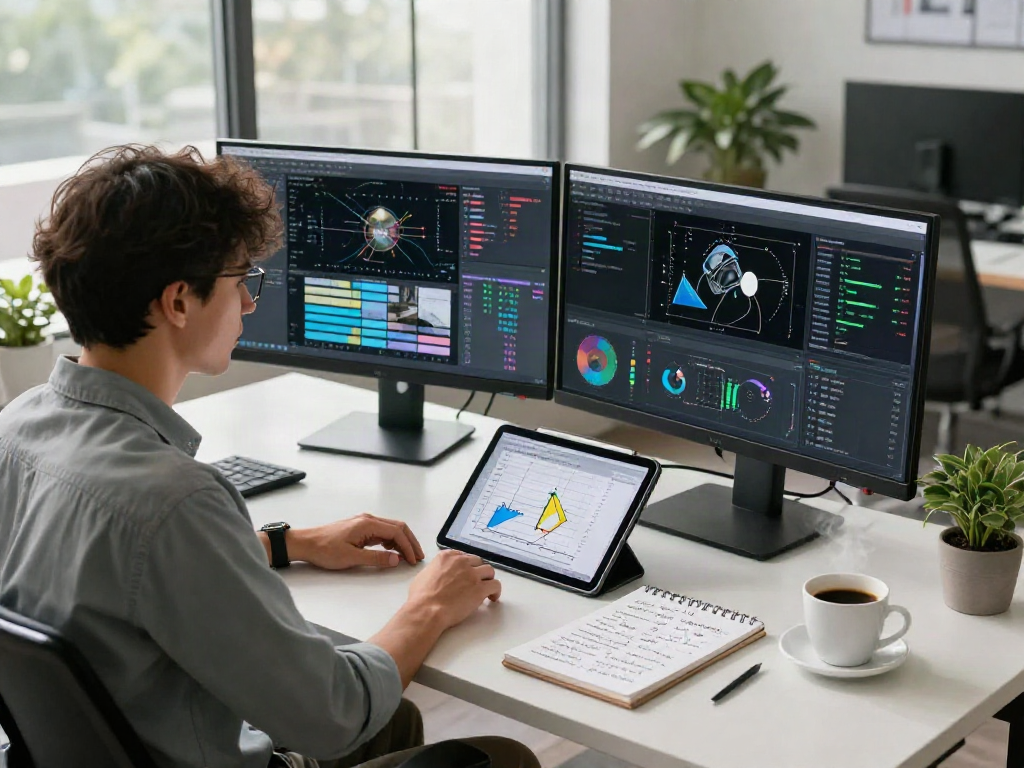
Understanding AI Image Detection Technology
As we move further into the age of digital media, the role of AI image detection has become increasingly crucial. This technology provides the means to analyze images and ascertain their origins, helping to distinguish between human-created content and that generated by artificial intelligence. From verifying the authenticity of news images to ensuring the integrity of marketing materials, the applications of AI image detection are vast and growing. When exploring options, AI Image Detection offers comprehensive insights into how this technology can be leveraged for various purposes.
What is AI Image Detection?
AI image detection refers to the use of artificial intelligence algorithms to analyze visual data and determine whether images are created by humans or sophisticated AI models. This process involves deep learning techniques that enable machines to recognize patterns, features, and anomalies within images. By leveraging large datasets, AI models improve their accuracy over time, thus providing users with reliable tools for image analysis.
Key Technologies Behind Image Detection
Several core technologies underlie the functionality of AI image detection tools:
- Convolutional Neural Networks (CNNs): These are a class of deep neural networks primarily used in image recognition and analysis, allowing for the automatic extraction of features from images.
- Machine Learning Algorithms: Various algorithms, including supervised and unsupervised learning techniques, help train models to distinguish between real and AI-generated images.
- Computer Vision: This field focuses on enabling machines to interpret and understand visual information from the world, playing a pivotal role in image detection capabilities.
Common Applications Across Industries
AI image detection technology is making its mark across multiple sectors:
- Media and Journalism: Ensuring the authenticity of images used in news articles and reports to combat misinformation.
- Marketing: Verifying that promotional materials contain genuine images that align with brand integrity.
- Social Media: Helping platforms detect deepfakes and other misleading content to protect users and maintain trust.
- Law Enforcement: Assisting in identifying manipulated images and evidence in criminal investigations.
Importance of AI Image Detection in Today's Digital Landscape
The exponential growth of digital content has made AI image detection an essential tool in today’s world. As image manipulation techniques become increasingly sophisticated, the need for robust detection systems becomes paramount.
Combatting Misinformation and Deepfakes
Misinformation can spread rapidly through social media and other digital platforms, often fueled by manipulated images. AI image detection tools act as a safeguard against these threats, ensuring that users can identify and flag deceptive content quickly. These tools are invaluable in maintaining public trust in media and online communications.
Enhancing Content Authenticity and Verification
In an era where the authenticity of visual content is constantly in question, AI image detection technology serves as a critical verification tool. By providing a means to authenticate images, businesses can protect their brand reputation and ensure that their marketing materials reflect genuine content.
Supporting Creative and Marketing Strategies
Apart from ensuring authenticity, AI image detection can assist creative teams in maintaining consistency and quality in their visual outputs. With the capabilities to detect and flag any manipulated content, marketing strategies can confidently leverage visual data that resonates with audiences and fosters engagement.
Challenges in Implementing AI Image Detection
Despite its advantages, implementing AI image detection technology is not without challenges.
Accuracy and Reliability Concerns
The effectiveness of AI image detection tools heavily relies on the accuracy of their algorithms. False positives, where genuine images are flagged incorrectly, can undermine user trust. Continuous improvement of detection algorithms is critical to enhancing performance and reliability.
Data Privacy and Ethical Considerations
As with any technology that analyzes user data, ethical concerns arise regarding privacy and consent. Organizations must ensure that their use of AI image detection complies with data protection laws and respects individual privacy rights.
Understanding User Trust and Acceptance
For any technology to be effectively embraced, it must be trusted by its users. Building confidence in AI image detection systems requires transparency about how these tools function and their limitations.
Best Practices for Leveraging AI Image Detection
To maximize the benefits of AI image detection, organizations should consider the following best practices:
Integrating Detection Tools into Your Workflow
Seamlessly integrating AI image detection tools into existing workflows can streamline operations and enhance productivity. By embedding these systems within content management processes, businesses can ensure that all visual content is screened before publication.
Regularly Updating Detection Algorithms
The field of AI is fast-evolving; therefore, routinely updating detection algorithms is essential to keep pace with new AI technologies and manipulations. Regular updates can enhance the tool's ability to accurately differentiate between real and AI-generated images.
Training Teams on Effective Implementation
Providing training and resources for teams using AI image detection tools can enhance their effectiveness. Users should understand the strengths and limitations of the technology to utilize it effectively and make informed decisions about image authenticity.
The Future of AI Image Detection: Trends and Predictions
The dynamic nature of technology means that AI image detection will continue to evolve. Here are some trends and predictions for its future:
Emerging Technologies to Watch in 2026
By 2026, we can expect further advancements in deep learning techniques, which will enhance the accuracy and speed of AI image detection tools. New hardware innovations may also bolster the performance of detection algorithms, enabling real-time analysis.
The Role of AI in Evolving Image Standards
As AI technology progresses, we may see the establishment of new standards for visual content, particularly in areas like advertising and journalism. AI image detection will play a key role in enforcing these standards, holding creators accountable for the authenticity of their outputs.
Impact on Regulatory Frameworks and Guidelines
In light of increasing concerns about misinformation, we can anticipate the introduction of regulatory frameworks governing the use of AI image detection tools. These regulations will likely focus on best practices for transparency and user consent in image verification processes.
Frequently Asked Questions
How does AI image detection work?
AI image detection operates by employing machine learning algorithms that analyze image data to identify patterns indicative of AI-generated content. Through training on diverse datasets, these models become proficient at distinguishing between human-created and synthetic images.
What are the benefits of using AI image detection tools?
The primary benefits include enhanced accuracy in verifying image authenticity, increased trust among audiences, and the ability to quickly combat misinformation, thereby protecting brand integrity and public discourse.
Are there any limitations to AI image detection?
Yes, limitations include potential inaccuracies in detection, reliance on the quality of training data, and the evolving sophistication of image generation technologies that may outpace detection capabilities.
How to choose the right AI image detection software?
Consider factors such as accuracy, user-friendliness, real-time capabilities, integration options, and the specific needs of your industry when selecting AI image detection software.
What is the future of AI image detection technology?
The future of AI image detection looks promising, with expectations of improved accuracy, regulatory advancements, and greater integration into various industry practices, ensuring that image verification becomes a standard procedure.