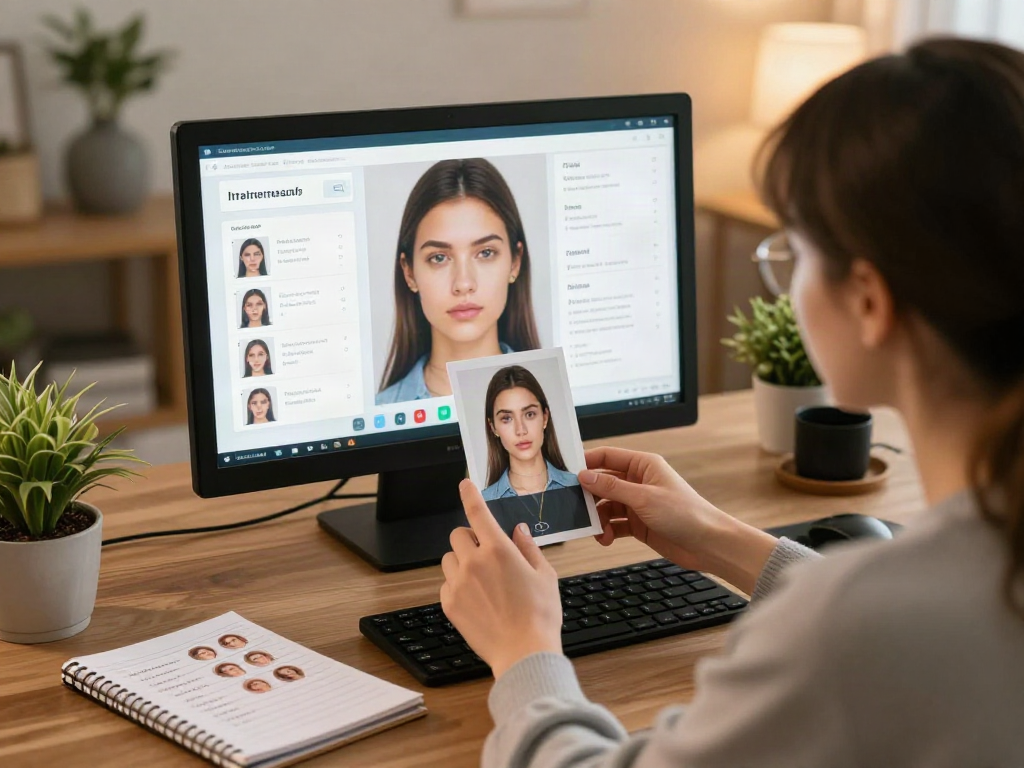
Understanding the Appeal of Age Estimation Apps
In today’s digital age, the fascination with age estimation apps, such as those that allow users to assess "how old do I look," has surged dramatically. These applications leverage advanced technology to provide insights into how one’s facial features may indicate age. Whether for fun, social media engagements, or personal curiosity, the allure of these tools attracts a wide audience eager to explore their perceived age. This article delves deep into the reasons behind the popularity of these apps, how they function, and their role in contemporary society.
What Does "How Old Do I Look" Mean for Users?
For many users, asking "how old do I look" transcends mere curiosity. It reflects a broader societal preoccupation with youth and beauty. This expression is not just about numbers; it encapsulates self-perception, social interactions, and even cultural norms. By using these apps, individuals can confront their insecurities related to aging while also participating in a light-hearted, often humorous activity.
Common Motivations for Usage
- Self-Assessment: Many people are naturally curious about how others perceive their appearance and whether they align with their actual age.
- Social Interaction: Sharing results on social platforms can spark conversations and add an entertaining element to social interactions.
- Fun and Experimentation: The playful aspect of these apps encourages users to experiment and engage with their friends.
- Cultural Pressures: With strong societal influences regarding youthfulness, individuals may feel encouraged to validate their looks through technology.
Psychological Impact of Age Perception
The psychological implications of perceived age are profound. Individuals who believe they look younger may experience increased confidence and social engagement, whereas those who feel they appear older might grapple with negative self-image issues. Thus, these age estimation tools can serve as a double-edged sword, offering both validation and potential distress. Additionally, the constant comparison fostered by social media can amplify these feelings, making accurate age estimation a sensitive topic.
How "How Old Do I Look" Apps Work
Understanding the technology behind age estimation apps can provide users with deeper insights into their functionality and reliability. When exploring options, how old do i look offers comprehensive insights into the algorithms powering these intriguing tools.
AI Technology Behind Age Estimation
Most age estimation apps utilize artificial intelligence (AI) and machine learning algorithms that have been trained on vast datasets of facial images. These datasets typically consist of thousands of images ranging across various age groups, allowing the algorithms to identify and analyze patterns associated with aging. As technology evolves, these algorithms become increasingly sophisticated, providing more accurate predictions based on facial landmarks, skin texture, and other visible features.
Processing Your Image: What Happens?
When a user uploads an image, the app processes the photo by detecting key facial features such as wrinkles, pigmentation, and facial contours. The processing usually involves several steps:
- Facial Detection: The app identifies the face within the image, ensuring that the analysis focuses solely on relevant features.
- Feature Analysis: The app evaluates the skin's condition, highlighting areas of aging based on its training.
- Age Prediction: Using its algorithm, the app provides a predicted age, often accompanied by suggestions for skin care or beauty enhancements.
Accuracy of Results: Myths vs. Reality
While many users expect precise accuracy from these apps, the truth is nuanced. The effectiveness of an age estimation app can vary significantly based on several factors, including:
- The quality of the uploaded photo.
- The algorithm's training data and sophistication.
- User characteristics such as ethnicity, lighting conditions, and facial expressions at the time of the photo.
Consequently, while these applications can provide a fun estimate, they should not be viewed as definitive measures of age.
Choosing the Right Age Estimation Tool
With numerous options available, selecting the most suitable age estimation tool can be challenging. Users should consider various factors to make an informed decision about which app aligns with their needs and preferences.
Comparing Popular Apps Available in 2026
As of 2026, several apps stand out for their unique features and user experiences. Some of the most popular include:
- FaceAge.ai: Features a user-friendly interface and advanced AI algorithms.
- Fotor: Known for its seamless upload process and accurate predictions.
- BeautyPlus: This app not only estimates age but also provides beauty enhancements.
- Longevity-Germany: Offers insights into biological age, which is distinct from perceived age.
Key Features to Look For
When evaluating different age estimation apps, consider the following key features:
- Accuracy and Reliability: Look for user reviews and credibility of the algorithms.
- User Experience: A simple and intuitive interface enhances the user experience.
- Privacy Policies: Ensure that the app respects user privacy and data security.
- Additional Features: Some apps provide customized feedback on skincare or beauty tips, adding value beyond age estimation.
User Reviews and Ratings: What They Reveal
Reading user reviews can provide invaluable insights into the functionality and reliability of an app. High ratings typically suggest a positive user experience, while common complaints can highlight potential flaws. Additionally, forums and social media discussions can reveal trends and user satisfaction levels, assisting newcomers in making informed choices.
Common Misconceptions About Age Estimations
Despite their popularity, age estimation apps are often surrounded by misconceptions that can mislead users. It's essential to address these myths head-on.
Do These Apps Tell Your Biological Age?
Many users assume that the estimated age provided by these apps corresponds directly to their biological age. However, biological age can depend on various factors, including genetics, lifestyle, and overall health. Most age estimation tools focus primarily on perceived age rather than biological aging.
The Role of Filters and Editing
Another common misconception involves the effects of photo editing and filters. Users often believe that enhancements made to images, such as smoothing skin or altering features, will not impact the age estimation process. In reality, these modifications can skew results, leading to inaccurate predictions.
Addressing Privacy Concerns
User privacy is a legitimate concern when using apps that require image uploads. Many individuals hesitate to share personal photos due to potential data misuse. It's crucial for users to choose apps with transparent privacy policies, ensuring that their images are not stored or used beyond the application's intended scope.
The Future of Age Estimation Technology
Looking ahead, the evolution of age estimation technology is poised to bring further advancements in functionality and accuracy. Emerging trends suggest an exciting future for these applications.
Emerging Trends and Innovations for 2027
In 2027, we can anticipate several innovations in age estimation technology, including:
- Increased Accuracy: As machine learning algorithms improve, future apps will likely offer more precise age estimates.
- Integration with Wearable Tech: Future apps may incorporate data from health trackers to provide a comprehensive view of one's biological and perceived age.
- Customization Options: Users may soon have the ability to tailor their experience, adjusting algorithms to reflect personal backgrounds and lifestyles.
Potential Uses Beyond Social Media
While age estimation apps are primarily used for entertainment on social media, their applications could extend into various sectors, including:
- Beauty and Skincare: Brands may leverage these tools to personalize product recommendations.
- Healthcare: Understanding perceived age could assist in tailoring health advice and interventions.
- Aging Research: Data collected could contribute to studies on aging and its social perceptions.
How AI Will Shape Perceptions of Age in Society
The role of AI in reshaping societal perceptions of age is profound. As age estimation apps become more prevalent, they will undoubtedly influence how individuals view their aging process. The potential for AI to deliver personalized insights can empower users to embrace aging positively while also addressing the societal pressures that accompany it.