Understanding Asian Culture Through Language
Language is a vital tool in the appreciation of cultural nuances, especially for diverse communities. In a world growing ever closer, understanding different cultures is essential, particularly for those who are bilingual or learning a new language. One such platform that enables this connection is https://hanadultalk.com, which offers rich content about Asian cultures presented in Spanish. This unique approach allows Spanish-speaking audiences to engage with Asian traditions, art, food, and contemporary issues, ultimately bridging cultural gaps and fostering a deeper understanding.
Importance of Language in Cultural Appreciation
Language is more than just a medium of communication; it embodies the beliefs, practices, and identities of a culture. By learning a language, individuals gain access to unique perspectives that help them appreciate cultural differences and similarities. For instance, the use of honorifics in Korean reflects the importance of hierarchy and respect in Korean society. Understanding such linguistic features can significantly enhance one’s cultural experience.
How Language Influences Cultural Perceptions
The way language is structured often shapes our perception of the world. For example, in languages that differentiate between formal and informal address, like Spanish and Korean, speakers learn to navigate social hierarchies from an early age. This awareness influences how individuals interact with others and perceive social roles within their communities. Engaging with bilingual resources can help learners appreciate these subtleties, resulting in a richer cultural exchange.
Utilizing Bilingual Content to Broaden Horizons
Bilingual platforms like NAGA2000’s Hana, Dul, Talk! provide invaluable opportunities for learners to deepen their understanding of Asian cultures while improving their Spanish language skills. By accessing content that marries language with culture, users can contextualize vocabulary and grammar within the framework of real-life scenarios, making language acquisition both practical and enjoyable.
Exploring Culinary Traditions
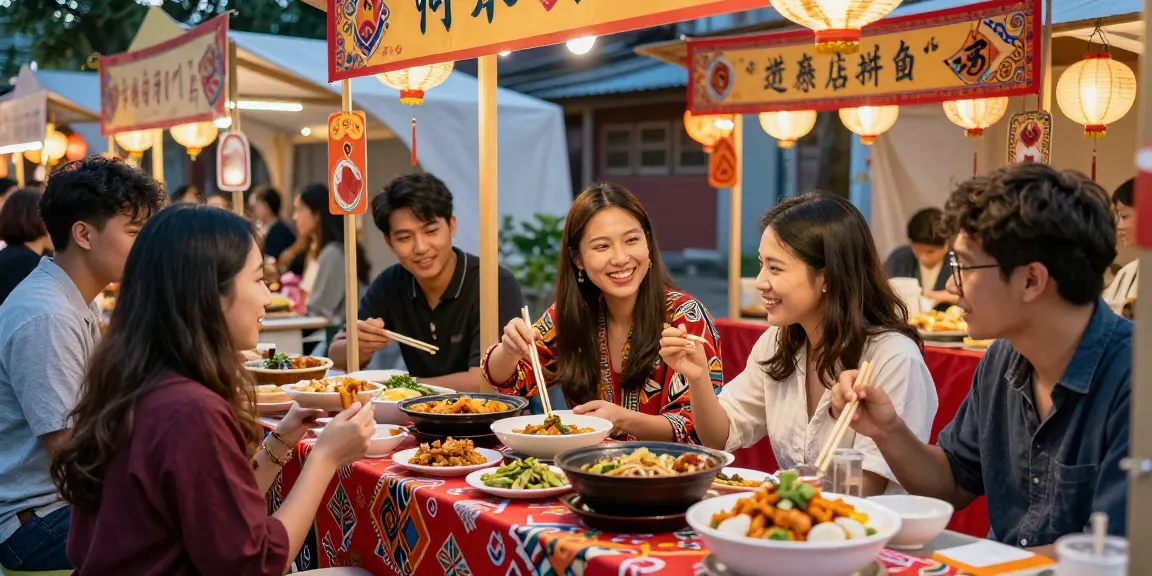
Culinary traditions offer a delicious gateway into understanding cultural values and histories. Food is often a celebration of identity and serves as a strong connection between people. Exploring Asian culinary practices through Spanish descriptions enhances the learning experience, making it both informative and enjoyable.
Top Asian Dishes to Experience
- Ramen: A Japanese noodle soup that represents a blend of flavors and textures.
- Dim Sum: A traditional Cantonese meal of small dishes served with tea, highlighting communal dining.
- Kimchi: A staple in Korean cuisine, kimchi exemplifies preservation techniques and regional ingredients.
- Curry: Found across numerous Asian countries, curry showcases the diversity of spices and methods used in cooking.
Food as a Cultural Connection
Food transcends borders and fosters connections among diverse communities. For instance, sharing a meal of sushi or pho can create a sense of community and understanding among different cultures. When described in Spanish, these dishes become accessible to a wider audience, enriching their culinary knowledge while inviting them to explore Asian flavors.
Recipes to Try at Home
For those eager to experience Asian cuisine firsthand, trying out recipes at home can be an exciting way to engage with the culture. From making homemade dumplings to preparing a spicy Thai curry, these culinary adventures can provide insight into the cooking techniques, ingredients, and traditions that define Asian culinary arts.
Navigating Pop Culture Trends
Pop culture is a dynamic reflection of societal values and trends, and Asian pop culture has increasingly gained global recognition. Platforms like Hana, Dul, Talk! serve as excellent resources to understand these trends, particularly through content tailored for Spanish speakers.
Current Trends in Asian Entertainment
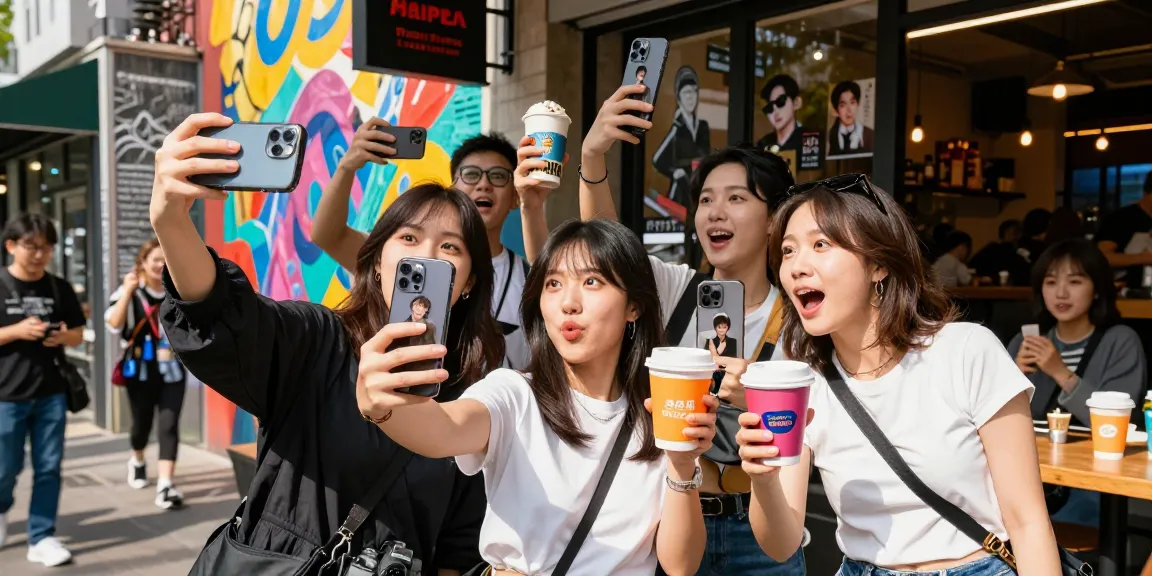
Asian entertainment, especially from Korea and Japan, has seen exponential growth internationally. K-Pop, anime, and dramas not only capture attention but also reflect deeper cultural narratives and issues relevant to youth across the globe. Engaging with this content in Spanish helps further embed these cultural references into the lives of Spanish speakers.
Impact of K-Culture on Global Audiences
The global rise of K-Culture—the fusion of Korean music, television, and style—has significantly influenced youth culture worldwide. This phenomenon demonstrates how accessible content can create cross-cultural appreciation. By providing information in Spanish, platforms can cater to a growing demographic eager to explore these trends without language barriers.
How to Access Asian Media in Spanish
Accessing Asian media in Spanish can be made easy with online platforms that offer dubbed or subtitled versions of popular Asian shows and films. Fans can engage in discussions about their favorite series and movies while improving their language skills, making cultural exploration both enjoyable and educational.
Creating Engaging Content for Spanish Speakers
When writing about Asian culture for Spanish-speaking audiences, it’s essential to consider engagement strategies that resonate with their interests and values. This involves understanding their cultural references and how they engage with media.
Tips for Writing About Asian Culture
Writers can enhance their content by incorporating relatable anecdotes, current trends, and visuals that captivate the audience. This approach not only retains reader interest but also builds a sense of community among readers who share similar interests.
Finding the Right Style and Tone
Adopting a conversational style that feels friendly and accessible can improve the connection with readers. Content that feels relatable, as if it’s shared among friends, encourages engagement and repeated visits to the platform.
Leveraging User Feedback for Content Improvement
Understanding what resonates with readers through surveys or interactions can guide content strategies moving forward. Content creators should adapt to the preferences of their audience, ensuring they remain relevant and engaging.
Future Trends in Cultural Exchange
As globalization continues to shape our world, cultural exchange is becoming more accessible than ever. The future of cultural engagement, particularly regarding Asian cultures and their impact on Spanish-speaking communities, holds exciting potential.
Predictions for Asian Culture in 2026
By 2026, it’s anticipated that the fusion of Asian and Western cultures will deepen, with a more significant emphasis on collaboration in various sectors, including entertainment, cuisine, and fashion. This evolving exchange will open doors for new opportunities, fostering mutual respect and understanding.
Technological Innovations Enhancing Cultural Access
With advancements in technology, accessing diverse cultural content will become even easier. Innovations such as augmented reality and virtual reality may allow users to immerse themselves in different cultures from the comfort of their homes, offering authentic experiences that are otherwise hard to replicate.
Building a Global Community Through Shared Interests
The growth of online communities centered around shared interests creates platforms for dialogue and exchange. These communities can foster appreciation and understanding, as individuals from various backgrounds come together to discuss their passions.
How to Foster Conversations About Culture
Engaging in conversations about culture can be as simple as sharing content on social media, hosting events, or participating in forums. Encouraging dialogue about cultural nuances helps dismantle stereotypes and build bridges between different communities.