Understanding Vision Correction Options
Vision correction plays a crucial role in improving the quality of life for individuals facing visual impairment. Whether it’s due to genetic factors, aging, or environmental influences, the advancements in eye care and surgery have opened up a plethora of options for restoring vision. At SNU Eye Clinic, we understand the importance of personalized care and the need for effective solutions tailored to each patient’s unique circumstances. With comprehensive facilities and skilled professionals, we are dedicated to helping you explore the best options for enhancing your eyesight. When exploring options, Vision Correction is at the forefront of modern healthcare solutions.
What is Vision Correction?
Vision correction encompasses various procedures aimed at improving visual acuity. These procedures can range from glasses and contact lenses to more advanced surgical interventions such as LASIK, ICL (Implantable Collamer Lens), and Toric ICL for astigmatism. Each method targets specific vision problems, such as myopia (nearsightedness), hyperopia (farsightedness), and presbyopia (age-related vision loss). Understanding the nature of your visual impairment is essential for selecting the most appropriate correction method.
Types of Vision Correction Procedures
Several popular vision correction procedures are commonly performed today, including:
- Refractive Surgery: This includes LASIK and PRK (Photorefractive Keratectomy), which reshape the cornea to correct refractive errors.
- Implantable Lenses: Options like the ICL and Toric ICL provide solutions for patients who are not suitable candidates for LASIK.
- Hybrid Approaches: Combining surgical techniques with corrective lenses for patients with complex needs.
Choosing the right procedure requires a thorough assessment of your eye health and lifestyle preferences. Consulting with a qualified ophthalmologist will provide more clarity on the best route for you.
Choosing the Right Option for You
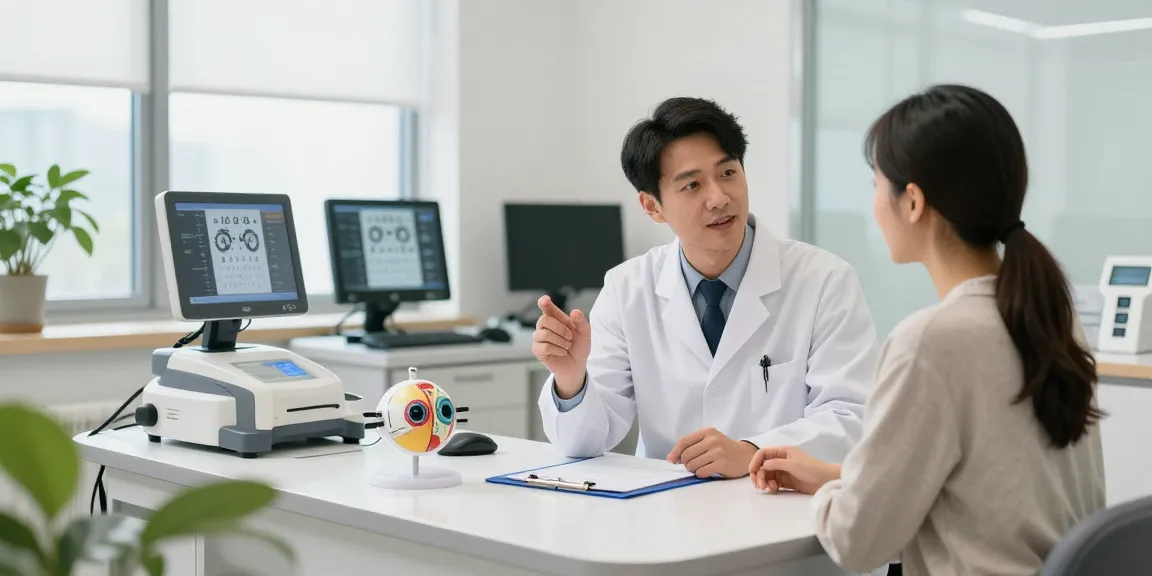
Choosing the appropriate vision correction option is fundamental to achieving optimal results. Factors to consider include your age, lifestyle, overall eye health, and specific vision needs. An initial consultation at SNU Eye Clinic includes comprehensive tests to help determine the best course of action. The expertise of our professionals ensures you receive tailored recommendations for your unique situation.
The Costs Involved in Vision Correction
Breakdown of Vision Correction Expenses
The cost of vision correction can vary significantly based on the type of procedure chosen, the technological advancements involved, and the surgeon’s expertise. Generally, expenses can encompass the following:
- Pre-operative evaluations: Comprehensive eye exams and tests.
- Surgical fees: The costs associated with the actual procedure.
- Post-operative care: Follow-up appointments and any required medications.
Factors Influencing Overall Costs
Several elements influence the expenses associated with vision correction, including:
- Geographic location: Prices can differ based on the region and facility.
- Technology used: Advanced techniques may come with higher costs but often lead to better outcomes.
- Surgeon’s qualifications: Experienced surgeons with a solid track record may charge more.
Insurance and Financing Options
Many insurance plans do not cover vision correction surgery. However, financing options are available, allowing patients to manage costs more effectively. Some clinics, including SNU Eye Clinic, offer payment plans and partnerships with financial institutions to ease the financial burden. Exploring these options can help make vision correction accessible to a broader audience.
Benefits of Choosing SNU Eye Clinic
Expertise and Experience in Eye Surgery
At SNU Eye Clinic, we pride ourselves on our wealth of experience, having successfully performed over 50,000 surgeries. Our team is composed of highly qualified ophthalmologists specializing in various aspects of eye care. This expertise translates into higher success rates and better patient outcomes.
Advanced Technology and Techniques
We utilize state-of-the-art technology in all our procedures. From the latest diagnostic equipment to advanced surgical techniques, SNU Eye Clinic is committed to providing the highest standards of eye care. Patients can rest assured knowing they are receiving treatment that integrates the latest advances in ophthalmology.
Positive Patient Outcomes and Testimonials
Our patient testimonials reflect the high satisfaction rates and successful surgeries we’ve conducted. Many patients express their gratitude for the enhanced quality of life that comes from improved vision. Feedback is crucial in maintaining our high standards and making necessary adjustments to our practices.
Common Myths and Misconceptions
Debunking Myths about Eye Surgery
There are numerous misconceptions surrounding eye surgery that can lead to patient anxiety. For instance, some believe that vision correction surgeries are extremely painful or that they result in significant side effects. In reality, most procedures are minimally invasive and involve only mild discomfort.
Understanding Post-Operative Care
Post-operative care is vital for ensuring the best outcomes following surgery. Patients are provided with detailed instructions to follow after their procedures, which may include using eye drops, avoiding strenuous activities, and attending follow-up appointments.
Realistic Expectations After Surgery
Setting realistic expectations is crucial for all patients considering vision correction. While many achieve excellent results, individual outcomes can vary based on pre-existing conditions and adherence to post-operative guidelines.
Future Trends in Vision Correction
Innovative Techniques on the Horizon
The field of vision correction is rapidly evolving. Innovations such as corneal cross-linking and advanced lens materials are being researched to enhance the effectiveness and safety of procedures. As technologies develop further, SNU Eye Clinic is committed to staying at the forefront of these advancements.
Predictions for Vision Correction in 2026
By 2026, we anticipate a dramatic shift towards personalized and precise vision correction techniques. Genetic research may lead to procedures that are tailored to an individual’s specific genetic makeup, potentially improving surgical outcomes.
Preparing for Future Eye Care Technologies
As new technologies emerge, patients should remain informed about their options. Regular consultations with eye care professionals will ensure that individuals are well-prepared to take advantage of the latest advancements in vision correction.
What are the risks associated with vision correction?
All surgical procedures carry some risks. Common risks associated with vision correction include dry eyes, glare, halos, and under or overcorrection. Comprehensive pre-operative assessments can help minimize these risks.
How should I prepare for my vision correction consultation?
Before your consultation, gather any relevant medical history and prepare questions about the procedure. It is also advisable to avoid contact lenses for a period prior to the appointment to ensure accurate assessments.
What post-operative care is necessary after vision correction?
Post-operative care typically involves using prescribed eye drops, avoiding certain activities, and attending follow-up appointments. Patients should adhere to these instructions closely to promote optimal recovery.
How long do the results of vision correction last?
Results can be permanent, particularly for procedures like LASIK. However, age-related changes may necessitate additional corrections later in life. Regular eye exams can help monitor vision changes over time.
What are the latest advancements in vision correction technology?
Recent advancements include femtosecond laser technology, which allows for more precise corneal reshaping, and improvements in lens materials that enhance comfort and vision quality. Staying informed about these changes is crucial for individuals considering vision correction.